Mada za sehemu hiiStructure Of The EarthMada 3
- The Earth’s Crust, The Mantle, The Core and their Respective Characteristics
- Types of Rocks of the Earth’s Crust
- Simplified Geological Time Scale
-
Formed when molten rock (magma or lava) cools and solidifies, either within or outside the Earth's crust.
-
Origin:
- Inside the Earth, under great pressure.
-
Characteristics:
- Do not occur in layers.
- Do not contain fossils.
-
Formation Types:
-
Intrusive (Plutonic) Features:
- Formed when molten rock cools and solidifies within the Earth's crust.
-
Extrusive (Volcanic) Features:
- Formed when molten rock cools and solidifies on the Earth's surface.
-
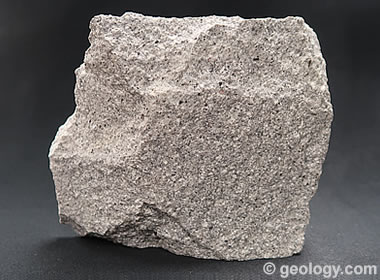
There are two main types of igneous rocks:
- Plutonic: these have solidified deep in the crust and they are seen on the surface only after being exposed by prolonged erosion.
- Volcanic: these have been poured on the earth‘s surface where they are called lavas.
Characteristics of Igneous Rocks
- Igneous rocks reflect light.
- They are not found in layers.
- They do not contain fossils.
- They are crystalline rocks.
- They are formed through cooling and solidification of magma.
- They can undergo metamorphic and weathering processes.
- They contain different minerals like iron, magnesium etc.
- Sedimentary rocks are rocks formed through weathering processes when sediments are accumulated, compacted and cemented together.
- The sediments are compacted by compression to form sedimentary rocks.
- Sedimentary rocks are found in layers; they contain fossils and are very soft.
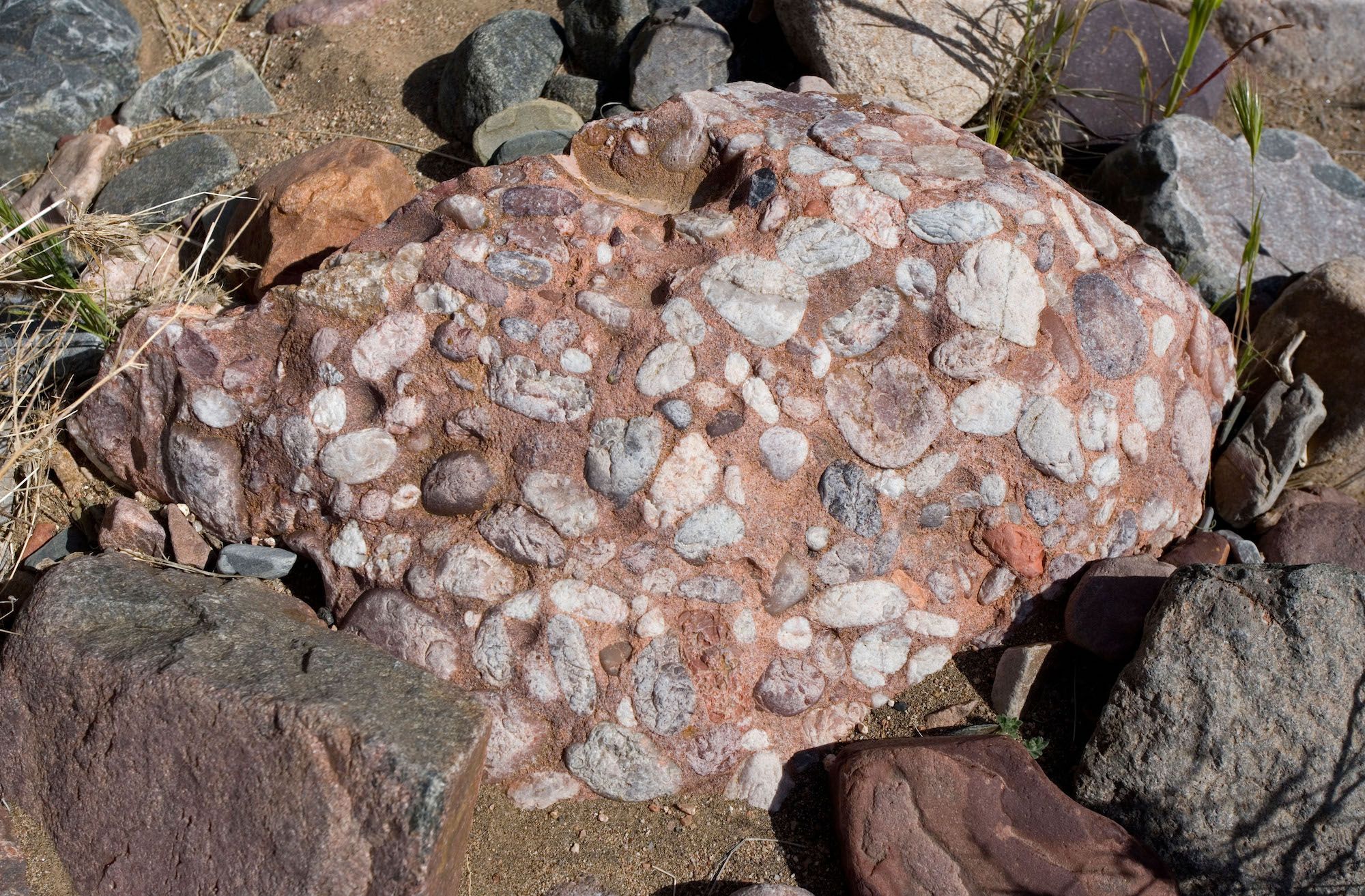
Characteristics of Sedimentary Rocks
- They are formed when particles or sediments are accumulated, compacted and cemented together.
- They contain fossils.
- They are found in layers (strata).
- They do not reflect light.
- They are non-crystalline rocks.
- They can undergo metamorphic process.
Types of Sedimentary Rocks
- Mechanically-Formed Sedimentary Rocks. These are formed through weathering process. When. Examples of mechanically formed sedimentary rocks are clays, gravels and alluviums (all deposited by water), moraines, boulder clay and gravels (deposited by ice) and loess (deposited by wind); sandstones and shale.
- Chemically-Formed Sedimentary Rocks. These are formed through chemical precipitation process. They include carbonate (as it is in stalactite and stalagmite), sulphate, chloride, etc. The main examples are gypsum, rock salt, lignite, dolomite, flint, borax, limonite, haematite, etc.
- Organically-Formed Sedimentary Rocks. These are formed through mineralization process of decaying and decomposition of dead organisms such as animals and plants. The remains of living organisms are accumulated, compacted and cemented together to form these sedimentary rocks. The main examples are chalk (limestone) and coral (formed from animals), and peat, coal and lignite (formed from plants).
- These are rocks which have changed from one type of rock to another due to the contact of heat, pressure or both.
- This process is referred to as metamorphism.
- Any rock can be changed into a metamorphic rock.
- Examples of metamorphic rocks are slate, marble and granite.

There are Three Kinds of Metamorphism
-
Dynamic metamorphism
- This is influenced by pressure of the earth's crust.
- Examples: Shale to Schist, Clay to Slate, Granite to Gneiss.
-
Thermal or contact metamorphism
- This is caused by intense heat.
- This can take place when the rock comes into contact with hot molten material like magma or lava.
- Examples: Limestone to Marble, Sandstone to Quartzite.
-
Thermal dynamic metamorphism
- This is the process that takes place as a result of a combination of heat and pressure.
- It is when the existing rocks are subjected to both pressure and heat to change their shape and appearance.
- Example: Coal to Graphite.
Characteristics of Metamorphic Rocks
- They are very hard due to prolonged action of heat and pressure.
- These rocks can change to another to another type of rocks.
- They can undergo weathering process.
Mwalimu
Unasoma somo hili? Niulize nikuelezee chochote kilichomo.
Ingia ili kumuuliza Mwalimu wa AI wa Sonza kuhusu mada hii.
Ingia ili kuulizaMajadiliano
Hakuna maswali bado
Inapakia majadiliano…