Mada za sehemu hiiAromatic HydrocarbonsMada 3
- Sources of Hydrocarbons
- Properties of Aromatic Hydrocarbons
- Substituted Benzene
Substituted benzene
Substituted benzene refers to a benzene ring (C₆H₆) where one or more hydrogen atoms have been replaced by other atoms or groups, such as alkyl groups, halogens, nitro groups, or hydroxyl groups. These substituted compounds display distinct chemical behaviors depending on the nature of the substituent.
Types of substituted benzene compounds
Substituted benzene compounds can be classified into two categories based on the nature of the substituent group:
- Electron-donating groups (EDGs): These groups increase the electron density on the benzene ring, making it more reactive towards electrophiles. Examples include alkyl groups (-CH₃), hydroxyl groups (-OH), and amino groups (-NH₂).
- Electron-withdrawing groups (EWGs): These groups decrease the electron density on the benzene ring, making it less reactive towards electrophiles. Examples include nitro groups (-NO₂), carbonyl groups (-C=O), and halogens (-Cl, -Br, -I).
i. Nitration of substituted benzene
Substituted benzene undergoes nitration similarly to benzene, but the type of substituent can direct the position of the incoming nitro group. For example, alkyl groups are generally ortho/para-directing, while nitro groups are meta-directing.
Example: Nitration of toluene (methylbenzene)
Toluene, which has a methyl group (-CH₃) as a substituent, undergoes nitration to form methyl nitrobenzene
C₆H₅CH₃ + HNO₃ → C₆H₄NO₂CH₃ + H₂O
ii. Bromination of substituted benzene
Like nitration, bromination in the presence of a catalyst (such as FeBr₃) will proceed in the presence of a substituted group and can also direct the position of the incoming bromine. Electron-donating groups usually promote bromination at the ortho and para positions, while electron-withdrawing groups prefer the meta position.
Example: Bromination of chlorobenzene
In the case of chlorobenzene, the chlorine (Cl) is an electron-withdrawing group, so the bromine (Br) will substitute at the meta position to the chlorine.
C₆H₅Cl + Br₂ → C₆H₄BrCl + HBr
iii. Friedel–Crafts alkylation of substituted benzene
In this reaction, alkyl halides (RCl, RBr) react with substituted benzene in the presence of a Lewis acid catalyst such as AlCl₃. The position of alkylation depends on the nature of the substituent on the benzene ring.
Example: Friedel–Crafts alkylation of anisole
In anisole (methoxybenzene), the methoxy group (-OCH₃) is an electron-donating group, which favors alkylation at the ortho/para positions.
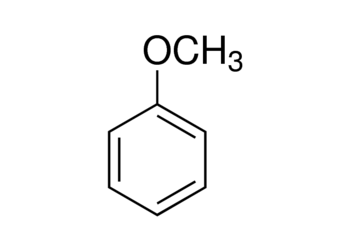 + RCl → C₆H₄ORCH₃ + HCl
iv. Friedel–Crafts acylation of substituted benzene
Similar to alkylation, acylation involves the addition of an acyl group (RCO) to a substituted benzene. The acyl group is introduced using acyl chloride (RCOCl) and AlCl₃ as a catalyst. The substituent on the benzene ring will influence the site of acylation.
Example: Friedel–Crafts acylation of acetophenone
In acetophenone, the carbonyl group (-CO) is an electron-withdrawing group, and it will direct the acylation reaction to the meta position relative to the carbonyl group.
C₆H₅COCH₃ + RCOCl → C₆H₄COCOCH₃ + HCl
v. Electrophilic substitution reactions of substituted benzenes
Electrophilic aromatic substitution reactions of substituted benzenes proceed according to the nature of the substituent group. Electron-donating groups make the ring more reactive towards electrophiles, while electron-withdrawing groups make it less reactive.
Example: Electrophilic substitution of nitrobenzene
Nitrobenzene, which has a nitro group (-NO₂), is an electron-withdrawing group, making the benzene ring less reactive and directing new substituents to the meta position.
C₆H₅NO₂ + HNO₃ → C₆H₄(NO₂)NO₂ + H₂O

vi. Hydroxylation of substituted benzene
Substituted benzenes can also undergo hydroxylation reactions, where the addition of a hydroxyl group (-OH) is facilitated by strong oxidizing agents or through specific catalysts.
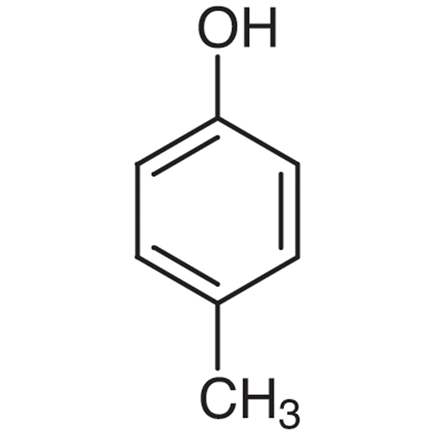
Example: Hydroxylation of toluene
In toluene, the methyl group directs hydroxylation to the para position, leading to the formation of 4-methylphenol (para-cresol).
C₆H₅CH₃ + O₂ → C₆H₄(OH)CH₃
Mwalimu
Unasoma somo hili? Niulize nikuelezee chochote kilichomo.
Ingia ili kumuuliza Mwalimu wa AI wa Sonza kuhusu mada hii.
Ingia ili kuulizaMajadiliano
Hakuna maswali bado