Mada za sehemu hiiScientific ExperimentsMada 5
The Concept of Fire
A fire is a chemical reaction involving the burning of materials in the presence of oxygen that is accompanied by the release of heat and light. For a fire to start, three components are necessary:

Fire triangle
- Oxygen: Supports combustion.
- Heat: Raises the temperature of the combustible material.
- Fuel: A substance that can be burned to produce heat or power. Fuel can be in solid, liquid, or gaseous forms.
These three components form the fire triangle. If one component is missing, fire cannot start.
Fire Triangle
- Oxygen: Supports combustion.
- Heat: Raises the temperature of the fuel.
- Fuel: The material that burns.
If any of these components are removed, the fire will be extinguished.
Causes of Fire Accidents
Various factors can cause fire accidents, including:
- Cigarette smoking and improper disposal of cigarette butts.
- Electrical faults.
- Lightning.
- Children playing with lighting matches.
- Friction due to lack of lubricants in vehicles.
- Burning of forests.
- Uncontrolled burning of waste.
- Clearing fields using fire.
- Carelessness with candles, matches, or stoves.
- Welding accidents.
Classes of Fire
Fire is classified based on the burning materials, and each class requires specific firefighting techniques:
Class A Fire
- Materials Involved: Solid materials like wood, paper, clothes, plastic, mattresses, and grass.
- Firefighting Method: Water, dry sand, or a fire blanket.

Water fire extinguisher

Bucket of dry sand
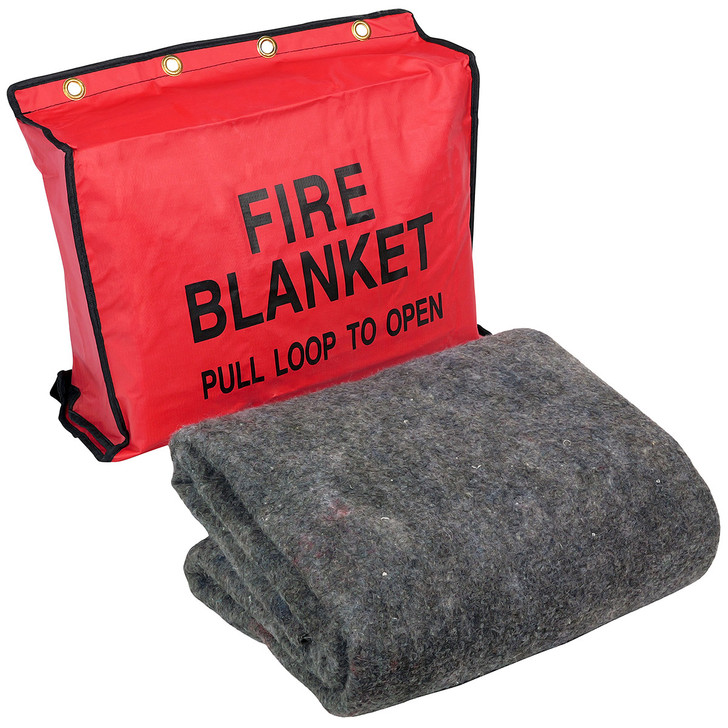
Fire blanket
Equipment for extinguishing Class A fire
Class B Fire
- Materials Involved: Flammable liquids such as petrol, diesel, kerosene, and oil-based paints.
- Firefighting Method:
- Dry sand or fire blanket (for small fires).
- Carbon dioxide gas or dry powder (for larger fires).
- Note: Water cannot be used as it spreads the flammable substance.

Carbon dioxide cylinder

Dry powder fire extinguisher
Cylinders containing fire extinguishing chemicals
Class C Fire
- Materials Involved: Flammable gases such as butane, propane, methane, and acetylene.
- Firefighting Method:
- Carbon dioxide gas or dry powder (to extinguish the fire).
- Important: Close the gas pipe or cylinder valve to stop the fire from spreading. Water is used only to cool the gas cylinder to prevent explosions.
Class D Fire
- Materials Involved: Combustible metals like magnesium, potassium, and iron.
- Firefighting Method:
- Dry powder is used to extinguish the fire.
- Water and carbon dioxide should not be used.
Class F Fire
- Materials Involved: Cooking oils.
- Firefighting Method:
- Carbon dioxide gas or dry powder.
Fire Caused by Electrical Faults
Electrical faults can cause fires of various classes (A, B, C, D, F). To extinguish such fires:
- Turn off the main electrical switch before attempting to put out the fire.
- Use dry powder, carbon dioxide gas, or dry sand to extinguish the fire.
- Water should never be used to extinguish electrical fires unless the main power is turned off, as water conducts electricity and could cause electrical shock.
Firefighting Procedure
Here are the basic steps for firefighting using carbon dioxide gas or dry powder extinguishers:
- Pull out the Safety pin
- Aim the nozzle at the base of the fire.
- Squeeze the handle to release the extinguishing agent.
- Sweep from side to side, covering the entire fire.

Steps for using a fire extinguisher
Swali
Ingia ili kuwasilisha jibu lako na lihesabiwe katika umahiri wako.
Ingia ili kufanya mazoeziMwalimu
Umekwama? Niulize chochote kuhusu mada hii.
Ingia ili kumuuliza Mwalimu wa AI wa Sonza kuhusu swali hili.
Ingia ili kuulizaMajadiliano
Hakuna maswali bado