Mada za sehemu hiiHeat Sources And FlamesMada 3
- Introduction and a heat source
- The Bunsen burner
- Flames
Heat source
A heat source is anything that gives off useful heat. In the chemistry laboratory, different heat sources are used depending on the type of experiment being performed. Some are more powerful and cleaner than others.
Different sources of heat used in the laboratory
Candle
A candle can be used as a simple heat source for small experiments. It produces a small flame and is easy to use, but the heat is not very strong.

Spirit burner
A spirit burner uses alcohol as fuel. It produces a clean flame with no soot, but its flame is not very hot. It is suitable for light heating tasks.

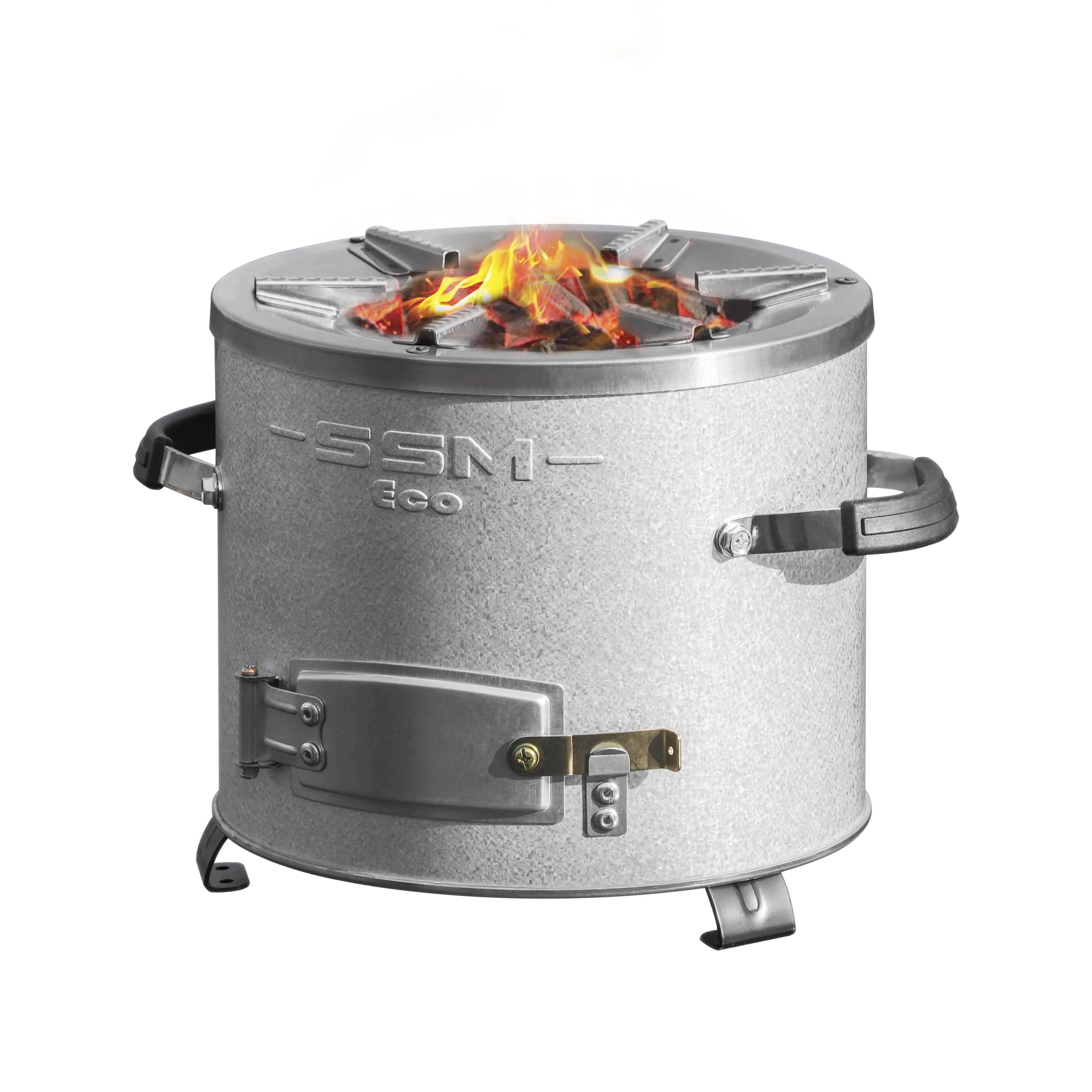
Charcoal burner
A charcoal burner uses charcoal as fuel. It does not produce a visible flame or much soot, but it gives off high temperature heat. It is useful for heating substances that require more heat.
Kerosene burner
Kerosene burners use kerosene as fuel to produce heat. They are commonly found in two forms:
- Kibatari – a traditional kerosene lamp often used in homes and simple experiments.
- Kerosene stove – used for stronger and more stable heating.
/product/23/616742/1.jpg?2581)
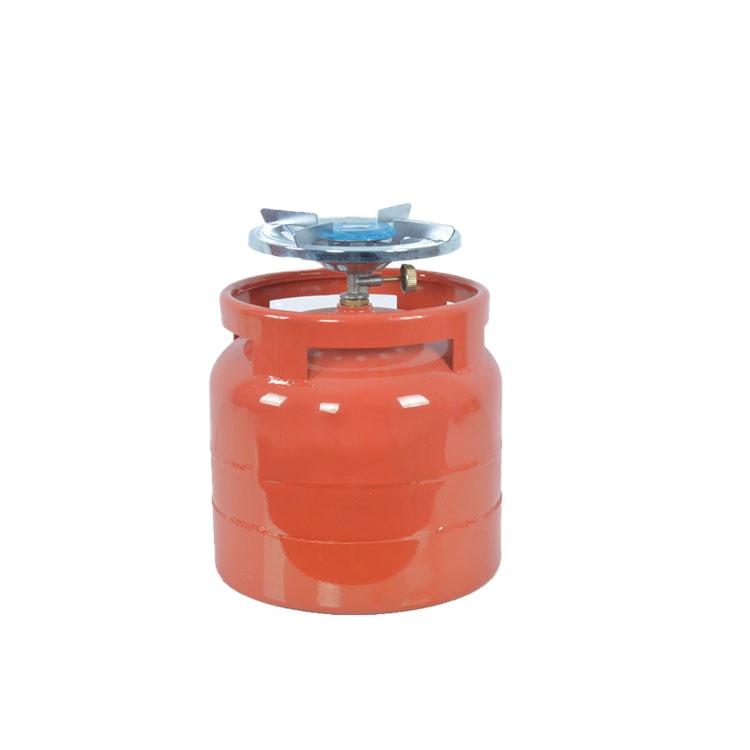
Gas stove
A gas stove uses gas (like butane or propane) as fuel. It does not produce soot and can be used for most laboratory experiments. It is clean, efficient, and easy to control.
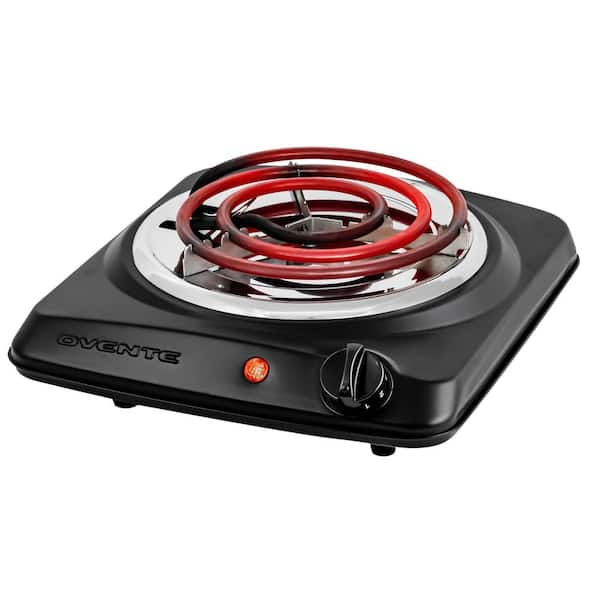
Electric burner
An electric burner uses electricity to generate heat. It is clean, safe, and easy to use, but it can be expensive and may not be available in all school laboratories.
Bunsen burner
The Bunsen burner is the most common and preferred source of heat in science laboratories. It uses gas as fuel and produces a very hot, adjustable flame. It is suitable for most experiments that require strong and steady heating.

Mwalimu
Unasoma somo hili? Niulize nikuelezee chochote kilichomo.
Ingia ili kumuuliza Mwalimu wa AI wa Sonza kuhusu mada hii.
Ingia ili kuulizaMajadiliano
Hakuna maswali bado